Can Bright Light and Glare Trigger a Migraine? How to Protect Yourself
Last updated: August 11, 2026
Quick Answer: Yes — bright light and glare can trigger migraine, and for many people they also make an attack worse once it has started. Light is the troublemaker here. Should light be one of your triggers, the useful question is not “Can it happen?” It’s “What should I do in the moment, and what should I change so it happens less often?”
- Bright light and glare can trigger migraine in some people.
- Light can also worsen an attack after it starts.
- Common problem settings include sunlight, reflected glare, flicker, and screen reflections.
- Should symptoms be sudden, severe, or different from your usual migraine, get medical help.
- Prevention usually works best when it matches the light source: outdoors, screens, or indoor lighting.
Searching for can bright light glare trigger migraine? how protect yourself? Short answer: yes. The practical answer is messier. The fix depends on where the light is coming from and what your symptoms are doing.
When Bright Light Is the Trigger, Not Just a Nuisance
Step into sunlight, walk under harsh LEDs, or stare at a screen with reflections, and a migraine pattern can show up fast. In that case, light is probably part of the story. Yet if the brightness only becomes painful after the head pain starts, then it may be a symptom of the attack rather than the thing that set it off. That distinction matters. A lot.
I would treat light as a real trigger when the pattern repeats: the same kind of glare, the same time of day, the same kind of pain, the same nausea or sensitivity to sound. Honestly, a one-off bad day is not the same thing. Migraine usually has company — sleep loss, hunger, stress, or another trigger — and light may just be the shove that tips you over.
Here is the practical split:
| Situation | Best Path | Why Other Options Fail |
|---|---|---|
| Bright sun or reflected light reliably sets off head pain | Treat light as a trigger and build a prevention plan | Ignoring the pattern keeps the attacks coming |
| Light hurts only after pain starts | Focus on early migraine treatment and attack management | Dark glasses alone won’t stop the attack |
| Light bothers you but you also have fever, eye redness, or vision loss | Get medical care promptly | Assuming it is “just migraine” can miss something serious |
| Screens are the main problem | Fix glare, brightness, and viewing setup first | Buying random glasses without changing the setup often disappoints |
Need a simple way to sort it out? Start by noting indoor versus outdoor light, screen time, whether you were tired or hungry, and whether the pain began during exposure or after it. No fancy diary needed. Just enough detail to spot the same pattern twice.
Quick check: Should the same light situation keep setting off the same headache pattern, treat light as a trigger and act on it — and if you are unsure, consult a professional. For general migraine-tracking guidance, the American Migraine Foundation has practical tools and trigger advice at https://americanmigrainefoundation.org/.
Bright Light and Glare Can Trigger Migraine — Here’s Why
Some brains overreact to sensory input. That is the blunt version. Bright light, glare, flicker, and sharp contrast can all push the system harder, which is why a shiny countertop in sunlight, a car windshield, or a laptop near a window can feel brutal to one person and ordinary to another.
If you have migraine with aura, light sensitivity may show up before the head pain peaks. No aura? Light can still matter. A common mistake is thinking “light sensitivity” means only photophobia in a dark room. In real life, glare tends to travel with other aggravators: poor sleep, dehydration, skipped meals, stress, motion, or a long screen session. Sneaky stuff.
A few things make light more likely to bother you:
- high contrast, such as a bright window against a dark room
- flicker from some LEDs, fluorescent lights, or screens
- reflective surfaces like glass, water, polished floors, or snow
- direct sun at low angles, especially while driving
- prolonged focus on a display without breaks
If glare is your main issue, cutting brightness is only part of the job. You also need to reduce reflections and flicker where you can. And when symptoms keep showing up in one specific setting, that setting is probably the one to tackle first.
For a reliable overview of migraine symptoms and common triggers, the American Migraine Foundation and the National Institute of Neurological Disorders and Stroke are useful starting points. I would also keep the American Academy of Ophthalmology in mind if eye pain or visual symptoms make you wonder whether this is really migraine. The NINDS migraine page is here: https://www.ninds.nih.gov/health-information/disorders/migraine.
Quick check: If contrast, reflections, or flicker seem worse than plain brightness, glare control matters as much as light level.
What to Do Right Away if Light Is Starting a Migraine
Already in the early stage of a migraine? Then the goal is to cut stimulation quickly and keep the attack from building. But if the headache is sudden, severe, or different from your usual migraine, do not treat it like a routine flare; get medical advice promptly.
Use this step-by-step path if light exposure has just started the symptoms:
- Get out of the brightest source first. Move out of direct sun, turn away from a window, or leave the room if the lighting is harsh.
- Reduce glare before you crank down all light. Close blinds, shift your seat, angle the screen, or move so light hits from the side instead of straight on.
- Use your prescribed migraine medicine early, if you have one. If your clinician gave you a triptan, gepant, NSAID, or anti-nausea medicine, early use often matters more than waiting.
- Lower sensory load. Sit still, hydrate if that usually helps you, and avoid adding noise, strong smells, or more screen time.
- Wear the right kind of eyewear if you already know it helps. A hat with a brim, wraparound sunglasses outdoors, or tinted lenses indoors may help some people. Darker is not automatically better.
- Check whether the headache is following your usual migraine pattern. If it is not, or if you have new neurological symptoms, treat it as a medical problem, not a lighting problem; consult a professional.
I would not reach for heavy sunglasses indoors as a default. To be fair, very dark lenses can feel like relief in the moment, but some people end up more sensitive to normal light over time. Not universal. Still, it is a real trade-off.
The American Academy of Ophthalmology has practical guidance on sunglasses and eye protection, and migraine specialists often advise using them outdoors or in truly bright conditions rather than living in near-darkness.
Quick check: If the attack has started, move first, treat early, and only then fine-tune light control.
The Best Ways to Protect Yourself From Bright Light and Glare
Predictable attacks call for a repeatable setup. Random exposure calls for a few portable fixes and a quick cleanup of the worst environments. That is the trade-off: more planning now, less scrambling later.
I would build protection in layers:
- Use sunglasses outdoors, but choose them for coverage, not fashion. Wraparound frames or large lenses reduce side glare better than narrow lenses.
- Add a brimmed hat. A hat blocks overhead sun and works even when sunglasses miss light coming from above.
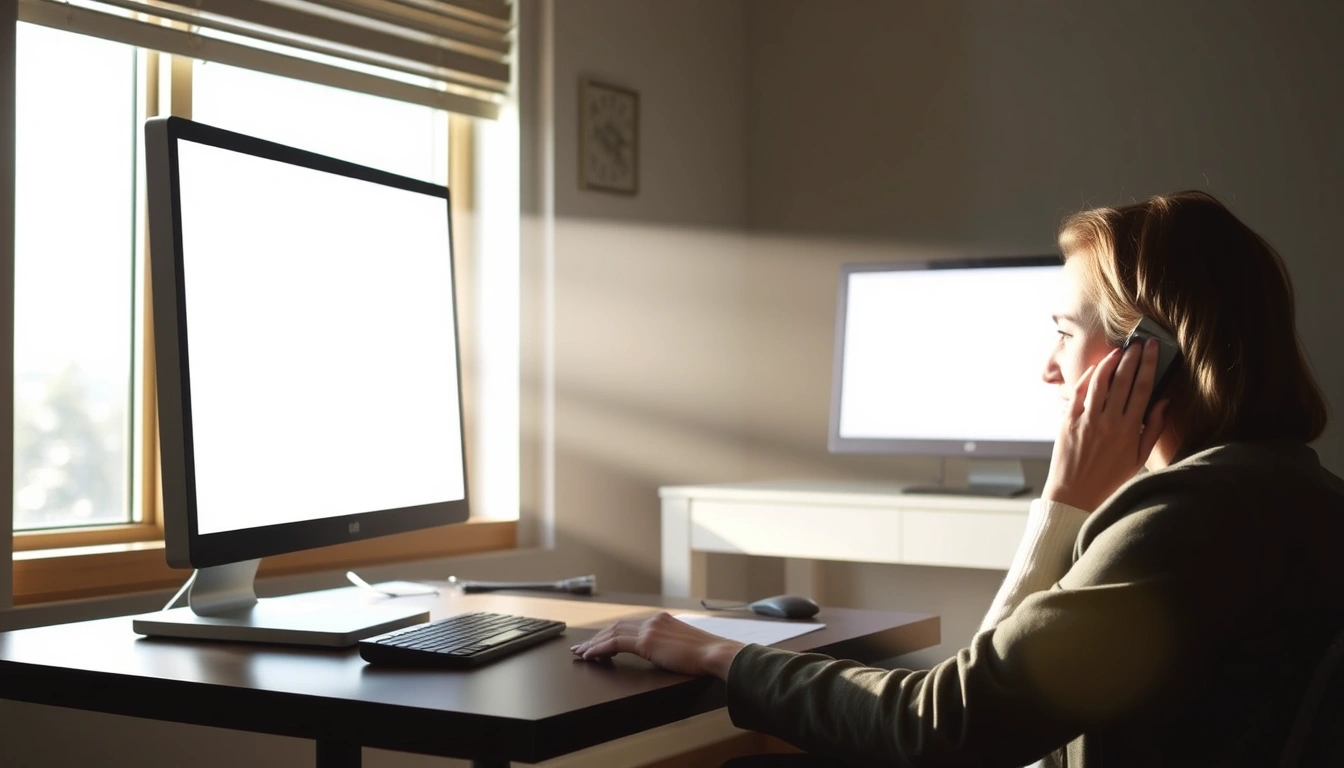
- Reduce reflections at home and work. Move your seat, close blinds, use matte screen protectors, and avoid sitting with a window directly behind you.
- Adjust your screen settings. Lower brightness to a comfortable level, increase text size, and avoid glaring white backgrounds when possible. Dark mode helps some people and annoys others; use the setting that lets you read without strain.
- Address flicker. If a specific lamp or monitor seems to trigger symptoms, test another light source or another device before you assume the problem is “just migraine.”
- Protect your sleep and meals. Light is a stronger trigger when you are already depleted.
A few tools have real names and real uses:
- wraparound sunglasses for outdoor glare
- hats with a brim
- matte screen filters
- anti-glare coatings on glasses, if your eye doctor says they make sense for your prescription
- window shades or blinds
- screen accessibility settings on phones, tablets, and laptops
If you are shopping for tinted lenses, be careful with one-size-fits-all claims. Some people like FL-41 tinted lenses for migraine sensitivity, but they are not a magic fix and they are not right for everyone. I would treat them as an option to discuss with an eye-care professional or migraine clinician, especially if you need prescription lenses too.
Quick check: If you can name the exact light source that bothers you, you can usually reduce it with coverage, angle, tint, or screen changes.
Can Bright Light and Glare Trigger Migraine in Different Settings?
If your migraine is mostly indoors, then “just wear sunglasses” is often lazy advice. Screens can be the real culprit. Should your problem be glare from a screen, sunglasses may do nothing except make reading harder. If your problem is sudden sunlight outdoors, then screen settings are irrelevant. The fix has to match the setting.
Here are the edge cases where the usual advice breaks down:
-
Situation: You work under fluorescent or LED lights.
What changes: The issue may be flicker, not brightness.
What to do instead: Try a different workspace, add a desk lamp with a steady output, or use a monitor light if the overhead light is the problem. If one specific fixture seems to provoke symptoms, ask about replacing it. -
Situation: You get migraine in the car.
What changes: Reflections, motion, and changing daylight can all add up.
What to do instead: Use a visor, keep the windshield clean, reduce side glare, and avoid reading on the move if that triggers you. If the passenger seat is worse, the angle of light may be the culprit. -
Situation: You have eye pain, red eye, halos, or sudden blurred vision.
What changes: This may not be migraine at all.
What to do instead: Get urgent medical evaluation, especially if the pain is in one eye or the vision change is new. -
Situation: You get headaches mainly after screen time, but not outdoors.
What changes: Glare, posture, dry eyes, and strain may matter more than light itself.
What to do instead: Fix ergonomics, blink more, check your screen distance, and consider an eye exam. -
Situation: You have migraine and also wear contact lenses.
What changes: Dryness and surface irritation can amplify light sensitivity.
What to do instead: Address lens comfort and dryness with your eye clinician instead of only changing the lighting. -
Situation: You are suddenly far more light sensitive than usual.
What changes: A change in pattern can signal an infection, medication effect, concussion, or another issue.
What to do instead: Do not assume it is “just your migraine getting worse.” Get checked if the change is abrupt or severe.
Quick check: If the setting is atypical, the standard “dark room and sunglasses” advice may miss the real cause.
A Practical Prevention Plan You Can Actually Keep Up
Want a plan you can remember on a rough day? Keep it plain. If you try to change ten things at once, you probably will not stick with any of them.
Here is the version I would use:
- Identify your main trigger setting: outdoors, driving, screens, or a specific indoor light.
- Change the one highest-yield variable first: shade, tint, brightness, angle, or glasses.
- Keep your migraine medicines accessible if a clinician has prescribed them.
- Use a short note or phone log to track what actually helped.
- Review the pattern after a few attacks and refine one step at a time.
This works because most people do not need a dramatic overhaul. They need one or two dependable changes that cut exposure before symptoms snowball.
I would also be honest about the limits. If light is only one of your triggers, you may still get migraines even after you solve glare. That does not mean the plan failed. It means you removed one piece of the load, not the whole load.
If you are getting frequent attacks, if the attacks are changing, or if you are relying on pain medicine often, talk with a clinician who treats migraine. Prevention medicine, an eye exam, or a review of your lighting setup may be more useful than buying another pair of sunglasses. For a clinician-facing overview of migraine patterns and treatment options, the National Institute of Neurological Disorders and Stroke is a solid reference: https://www.ninds.nih.gov/health-information/disorders/migraine.
Quick check: If your plan is too complicated to use on a rough day, it is too complicated.
FAQ
Can bright light really cause a migraine by itself?
Yes, it can for some people. More often, bright light or glare is one part of a bigger trigger stack.
Are sunglasses inside a good idea for migraine?
Usually not as a default. They can help in specific bright settings, but indoor overuse can make normal light feel harsher for some people.
Do migraine glasses work?
Sometimes, for some people. Tinted lenses may help light sensitivity, but the fit, tint, and setting matter. They are worth discussing with an eye-care professional, not treating as a sure fix.
What is the fastest thing to try when glare starts an attack?
Leave the glare, lower the visual load, and use your prescribed migraine treatment early if you have one.
When should I get medical help instead of assuming it is migraine?
Get checked if the headache is new, suddenly much worse, comes with red eye or vision loss, or feels unlike your usual migraine pattern.
For more background, I’d look at the American Migraine Foundation, the National Institute of Neurological Disorders and Stroke, and the American Academy of Ophthalmology for eye-related guidance.