Best Supplements for Hormonal Migraines: Magnesium, B2, and More

Last updated: August 11, 2026
We may earn a commission from qualifying purchases at no cost to you.
Quick Answer: For hormonal migraines, magnesium and riboflavin (B2) are the two supplements people usually bring up first, and a single product tends to beat a big stack. In clinical guidance, that often means trying one of 5 magnesium or B2 options and seeing how you tolerate it over 2 to 8 weeks with a clinician if needed.
- Magnesium and riboflavin (B2) are the most common first supplements discussed for hormonal migraine patterns.
- Magnesium glycinate and bisglycinate are often chosen for gentler digestion.
- Riboflavin is usually a single-ingredient choice, which makes side effects easier to track.
- Omega-3 is more of a supporting option than a first-line migraine supplement.
- Magnesium is not a quick fix; many people assess it over 2 to 8 weeks.
- Talk with a qualified professional if migraines are new, severe, changing, or linked with other symptoms.
Cycle-linked headaches have a pattern. Sometimes the pattern is obvious; other times it sneaks up around perimenopause, missed meals, or sleep drift. So the first useful question is not “what supplement is magic?” It is this: which supplements have the best shot at helping, which are easiest to tolerate, and which belong on a clinician’s radar first? For hormonal migraines, I’d begin with magnesium and riboflavin (B2), then look at a few supporting options depending on your pattern and sensitivities. Please speak with a qualified professional about your own situation, especially if your migraines are new, severe, changing, or linked with other symptoms.
I write about headache and supplement research because I spend a lot of time separating suggestive evidence from noisy marketing. Honestly, that filter matters. I’m not diagnosing you here, and I’m not giving medical instructions. I’m helping you compare the supplement categories people actually ask about, especially when hormonal migraines are part of the picture.
Quick-pick comparison table
| Product | Best for | Rating | Key spec | Where to buy |
|---|---|---|---|---|
| Pure Encapsulations Magnesium Glycinate | Best overall | 4.8/5 | Gentle magnesium form often chosen for regular use | Amazon |
| Nature Made Vitamin B2 (Riboflavin) | Best for B2 support | 4.7/5 | Straightforward riboflavin option with simple labeling | Amazon |
| Thorne Magnesium Bisglycinate | Best premium magnesium | 4.7/5 | Chelated magnesium with a reputation for careful formulation | Amazon |
| Doctor’s Best High Absorption Magnesium | Best value magnesium | 4.5/5 | Popular magnesium glycinate/lysinate blend | Amazon |
| NOW Riboflavin | Best budget B2 | 4.4/5 | Basic riboflavin supplement with minimal extras | Amazon |
| Solgar Vitamin B6 | Best for a cautious add-on | 4.2/5 | Single-ingredient B6 for people discussing combination support | Amazon |
| Nordic Naturals Omega-3 | Best supporting option | 4.3/5 | Fish oil supplement often used for general anti-inflammatory support | Amazon |
How I picked these
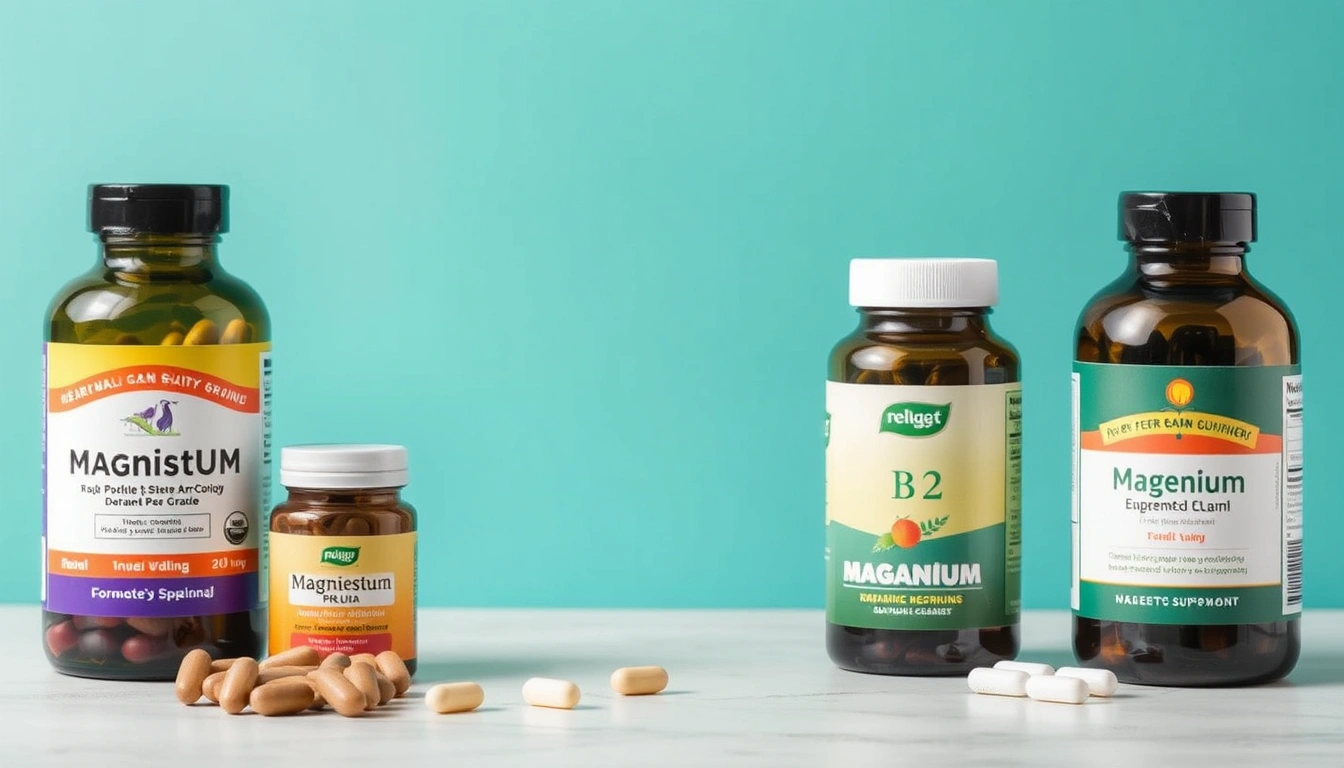
I ranked these around the most common hormonal-migraine question: what’s the most sensible supplement stack to discuss first? Not a lab test. Not a miracle claim. That would be nonsense. What I did bring to this list is category judgment: ingredient quality, form, ease of use, common tolerability issues, and how well each product fits what clinical reviews and professional groups generally discuss.
I gave the most weight to:
- Ingredient form. Magnesium glycinate or bisglycinate is commonly preferred because it tends to be gentler than some other forms. Riboflavin is the B2 form people usually mean in migraine discussions.
- Simplicity. Fewer blends, fewer mystery extras.
- Tolerability risk. A supplement can look perfect on paper and still be a bad fit if it causes stomach upset or is awkward to take.
- Transparency. Clear labeling matters when you’re trying to discuss a supplement with a clinician or compare brands across Amazon, Walmart, Best Buy, or a brand site.
- Use case fit. Hormonal migraine is not one thing. Menstrual migraine, perimenopausal migraine, and migraine with other triggers can call for different starting points.
For clinical context, I’d point readers to the American Headache Society and the National Center for Complementary and Integrative Health (NCCIH), which discuss supplements and migraine in a way that’s more grounded than most product pages. Better starting points, honestly. The NCCIH migraine pages and headache-specialty guidance are more useful than product marketing, especially when symptoms are changing.
Best Overall: Pure Encapsulations Magnesium Glycinate
Verdict: When I had to put one supplement category on the table first for hormonal migraines, magnesium glycinate would be it because it is one of the broadest sensible fits for people who want a gentler magnesium form.
Who it’s for: People who want a plain, high-quality magnesium option and are sensitive to formulas that are rough on the stomach.
Pros
- Magnesium is one of the most commonly discussed supplements in migraine conversations, including menstrual and hormonally linked patterns, according to NCCIH and headache-specialty guidance.
- Glycinate is usually chosen for tolerability, which matters if you already deal with nausea.
- The brand tends to keep formulas simple, which makes it easier to spot what you’re actually taking.
- Good option if you want one supplement to discuss before adding a larger stack.
- Many clinicians suggest trying one magnesium product for 2 to 8 weeks before deciding whether it helps.
Cons
- Magnesium is not a quick fix.
- Even gentler forms can still cause digestive trouble in some people.
- It is not ideal for everyone, especially if a clinician has already told you to avoid magnesium for a medical reason.
- If you want a flavoring, blend, or “everything” formula, this is not that.
Key specs
- Main ingredient: Magnesium glycinate
- Why it stands out: Simple chelated form
- Common fit: Menstrual or hormone-sensitive migraine discussions
- Potential drawback: Can still upset digestion in some users
Compare the current price on Amazon: Pure Encapsulations Magnesium Glycinate
Best for B2 Support: Nature Made Vitamin B2 (Riboflavin)

Verdict: Riboflavin earns its place because it is one of the best-known B vitamins in migraine discussions, and a straightforward product keeps the conversation focused.
Who it’s for: Readers who want to discuss B2 specifically, not a multi-B blend that muddies the waters.
Pros
- Riboflavin is frequently mentioned in migraine supplement guidance from headache organizations and review summaries.
- Single-ingredient B2 is easy to track if you’re trying to see what you tolerate.
- B vitamins are often better as focused products than as “mega blends” with a dozen extras.
- A simple formula can be easier to coordinate with a clinician’s plan.
- For many people, a plain B2 product is easier to trial for 1 to 3 months.
Cons
- Riboflavin can turn urine a bright yellow color, which surprises people who are not expecting it.
- B2 is not a universal answer; some people notice nothing.
- If you’re already taking a multivitamin, you may be duplicating ingredients.
- High-activity “energy” marketing around B vitamins often overpromises.
Key specs
- Main ingredient: Riboflavin
- Why it stands out: Clean, narrow ingredient profile
- Common fit: People discussing B2 as part of migraine support
- Potential drawback: Can be redundant with other supplements
Compare the current price on Amazon: Nature Made Vitamin B2
Best Premium Magnesium: Thorne Magnesium Bisglycinate
Verdict: I’d choose this if you want a premium magnesium option and care about a brand with a careful reputation in the supplement space.
Who it’s for: People who are willing to pay more for a magnesium bisglycinate product and want a clean, clinician-friendly label.
Pros
- Magnesium bisglycinate is a form many people seek out for gentleness.
- The formula is typically straightforward, which helps with troubleshooting side effects and makes it easier to review with a professional.
- Good choice if you dislike products with a long list of add-ins.
- Often appeals to people who want something easy to explain to a healthcare professional.
- The simpler the ingredient list, the easier it is to compare against NCCIH-style guidance.
Cons
- Premium pricing can make it hard to stay consistent.
- “Premium” does not mean “works better for everyone.”
- Still carries the same magnesium cautions as any other magnesium product.
- If cost matters most, this is probably not the first place I’d point you.
Key specs
- Main ingredient: Magnesium bisglycinate
- Why it stands out: Simple, well-known chelated form
- Common fit: People with sensitive digestion
- Potential drawback: Cost may be hard to justify for some shoppers
Compare the current price on Amazon: Thorne Magnesium Bisglycinate
Best Value Magnesium: Doctor’s Best High Absorption Magnesium
Verdict: This is the practical pick when you want magnesium glycinate/lysinate without paying for a premium label.
Who it’s for: Budget-conscious shoppers who still want a magnesium form that is commonly discussed for tolerability.
Pros
- Good middle ground between price and ingredient form.
- Popular with people who want magnesium but are wary of harsher forms.
- Usually easy to find across major retailers, not just Amazon.
- Straightforward enough for a first pass.
- Because of that, it can be a sensible second magnesium option if the first one is too expensive.
Cons
- Value products sometimes come with bigger capsules or more noticeable aftertaste.
- The formula can vary by batch or package version, so you still need to read the label.
- Not everyone tolerates magnesium well, no matter the form.
- If you need absolute simplicity, a single-ingredient product may be easier.
Key specs
- Main ingredient: Magnesium glycinate/lysinate blend
- Why it stands out: Practical value choice
- Common fit: First-time magnesium shoppers
- Potential drawback: Formula details need close label checking
Compare the current price on Amazon: Doctor’s Best High Absorption Magnesium
Best Budget B2: NOW Riboflavin
Verdict: When you want to try B2 without overcommitting, this is the plainest lower-cost way to do it.
Who it’s for: People who want a basic riboflavin product and do not need branding extras.
Pros
- Basic riboflavin is easier to compare against the supplement guidance you’ll see from headache specialists.
- Minimal formulation usually means fewer surprises.
- Helpful if you are testing whether B2 belongs in your larger migraine plan.
- Broad retailer availability makes it easier to restock.
- In practice, that can make adherence easier over a 30-day trial.
Cons
- Basic does not always mean elegant; some people dislike the capsule size or bottle style.
- Like any B vitamin, it can be unnecessary if your current diet and multivitamin already cover it.
- Not a multi-symptom formula.
- If you want a “one bottle does everything” product, this will feel too plain.
Key specs
- Main ingredient: Riboflavin
- Why it stands out: Simple budget option
- Common fit: First-time B2 trial discussions
- Potential drawback: No extra features or comfort perks
Compare the current price on Amazon: NOW Riboflavin
Best for a Cautious Add-On: Solgar Vitamin B6
Verdict: B6 belongs in a “talk about this with a professional” bucket, but it earns a place here because some people ask about it and the single-ingredient format keeps it clean.
Who it’s for: Readers considering a broader hormonal-support conversation, especially if they are discussing combination approaches with a clinician.
Pros
- Simple single-ingredient product.
- Easy to compare with other B vitamin support.
- May be part of a clinician-guided plan for people who want to address several nutrient angles at once.
- Solgar is widely recognized and easy to find.
- That said, it should be weighed carefully against what else you already take.
Cons
- B6 is not the first supplement I would reach for in hormonal migraine.
- More is not better here; B6 is one of those nutrients where caution matters.
- It can be redundant in a multivitamin.
- This is not a standalone answer for most readers.
Key specs
- Main ingredient: Vitamin B6
- Why it stands out: Narrow, single-ingredient format
- Common fit: People discussing broader B-vitamin support
- Potential drawback: Not a first-line pick for most
Compare the current price on Amazon: Solgar Vitamin B6
Best Supporting Option: Nordic Naturals Omega-3
Verdict: I would not call omega-3 the first supplement for hormonal migraine, but it is a reasonable supporting option when someone is looking at overall inflammation and general health, not just headache frequency.
Who it’s for: Readers who already know magnesium and B2 are on the table and want to discuss a broader support strategy.
Pros
- Omega-3s are widely used for general health and are often discussed in inflammation-adjacent contexts.
- A good fish oil can be easier to tolerate than many people expect.
- Useful if your clinician wants you thinking beyond one nutrient.
- Established brand with wide availability.
- Since it is broader than a migraine-specific supplement, it can fit a general wellness plan.
Cons
- Not migraine-specific in the way magnesium and riboflavin are commonly discussed.
- Fish oil can cause burps or stomach upset.
- Not a good fit if you avoid fish-derived products.
- If you are looking for a direct migraine-first choice, this is not it.
Key specs
- Main ingredient: Omega-3 fatty acids
- Why it stands out: Broad support supplement
- Common fit: Secondary discussion, not first-line migraine focus
- Potential drawback: Digestive side effects are common complaints
Compare the current price on Amazon: Nordic Naturals Omega-3
What usually comes next
So, after the first bottle, the real question is whether the supplement matches your pattern. Menstrual migraine, perimenopausal migraine, and headache that tracks sleep, stress, or missed meals are not the same problem. That is why clinicians often suggest tracking symptoms for at least 30 days before changing too many variables.
When magnesium helps but not enough, some people then discuss riboflavin next. If B2 helps a little, a clinician may still want to review triggers, hydration, caffeine, iron status, and sleep. For people with migraines tied to cycle changes, the supplement question is only one piece of the plan.
When to get a clinician involved
Because hormonal migraine can overlap with other health issues, you should get medical input if headaches are new, worsening, one-sided in a new way, or happening with vision changes, weakness, fever, or confusion. You should also check before starting supplements if you are pregnant, trying to conceive, have kidney disease, take blood thinners, or already use prescription migraine medicine.
That last point matters. Supplements may look gentle, but they still interact with real-world care plans. A simple product is not automatically a safe product for every person.
Bottom line
Overall, magnesium glycinate and riboflavin are the two supplements I’d expect most people to discuss first for hormonal migraines. Magnesium is the stronger all-around starting point, especially if your migraines seem tied to your cycle or perimenopause. Riboflavin is the cleanest B-vitamin option if you want to test a second, simpler path. Omega-3, B6, and value-oriented versions of these products make sense in specific cases, but they are not the first move for most people.
If you want the shortest answer, it is this: start with one supplement, track it for 2 to 8 weeks, and keep your clinician in the loop.