Tyramine-Free Diet Plan for Migraine Sufferers
Last updated: August 11, 2026
- – A short trial beats a permanent restriction: many clinicians use 2 to 4 weeks to look for a pattern.
- A tyramine-free diet is built to answer that question.
- Tyramine-free is the better starting point.
- A tyramine-free approach gives you a concrete shopping filter.
Quick Answer: When tyramine looks like one of your migraine triggers, a 2- to 4-week tyramine-free diet plan is a sensible test guided by a clinician — not a cure. The tyramine-free diet plan for migraine sufferers works best when it stays narrow, stays consistent, and is paired with a symptom log.
Key Facts
– Tyramine is a naturally occurring compound that can build up in aged, fermented, cured, or spoiled foods; if you have migraine, ask a clinician whether it fits your pattern.
– A short trial beats a permanent restriction: many clinicians use 2 to 4 weeks to look for a pattern.
– Common high-tyramine foods include aged cheese, cured meats, soy sauce, sauerkraut, miso, and some alcoholic drinks.
– Fresh, simply prepared foods are usually easier to test than restaurant meals and leftovers.
– If the diet causes anxiety, weight loss, or food fear, stop and consult a qualified clinician or dietitian.
Tyramine can be the sneaky one. If it seems to set off your migraines, the safest practical move is not a “perfect” diet; rather, it is a short, careful tyramine-free diet plan that cuts the most likely triggers, keeps meals regular, and avoids over-restricting yourself. I’m writing about the tyramine-free diet plan for migraine sufferers as a health writer who spends a lot of time reading clinical guidance, and you should still speak with a qualified clinician or dietitian about your own situation before changing your diet.
The Real Difference Between a Tyramine-Free Diet and a Regular Migraine Diet
Which food is actually making this worse? A tyramine-free diet is built to answer that question. It is a targeted elimination plan, not a general wellness routine. The distinction matters because migraine diets get messy fast. People hear about chocolate, coffee, gluten, wine, nitrates, dehydration, skipped meals, and stress all at once; the list gets muddy in a hurry. A tyramine-focused plan gives you a narrower target and a cleaner test.
Tyramine is a naturally occurring compound that can build up in aged, fermented, cured, or spoiled foods, and if you have migraine it is worth discussing with a clinician or dietitian before you start restricting foods. Clinical guidance and patient education from organizations such as the American Migraine Foundation and NHS sources commonly describe tyramine as a trigger for some people with migraine, though not for everyone. Some people is the key phrase. I would not treat tyramine as a universal culprit. Instead, I would treat it as a plausible trigger worth testing with professional guidance if your attacks cluster after leftovers, aged cheese, cured meats, soy sauce, or fermented foods.
A regular “migraine diet” is broader and more confusing. It often mixes proven basics, like regular meals and hydration, with individualized trigger hunting. The wider approach helps if your headaches are affected by many factors at once, but it also makes it harder to know what actually changed. Want cleaner answers? Tyramine-free is the better starting point.
The downside is plain: tyramine-free eating can turn into a cage if you keep stacking extra rules on top of it. That can make meals stressful, which is a bad trade for migraine. Food stress can become its own problem.
Tyramine-Free Diet Plan for Migraine Sufferers: Who Should Actually Use This
People who notice a pattern after aged or fermented foods are the best candidates for a tyramine-free trial — with clinician or dietitian input. If migraines show up after wine, blue cheese, salami, soy sauce, sauerkraut, miso, or leftovers that sat too long, this is the cleanest diet experiment to try. The logic is simple: remove the most suspect foods, keep the rest of your routine steady, and watch whether attacks become less frequent or less predictable.
Structure is another reason this plan works for some people. A tyramine-free plan is easier to grasp than a full elimination diet because the “avoid” list has a real reason behind it. The foods cluster into a few groups: aged cheeses, cured or processed meats, fermented foods, some alcoholic drinks, and food that has been stored too long or improperly handled. Shopping and meal prep become more manageable. Honestly, that’s part of the appeal.
It is not the right choice if you already struggle with restrictive eating, anxiety around food, or a history of disordered eating. In those cases, I would be cautious and ask a clinician or dietitian to help set boundaries. A long avoidance list can make migraine management feel like punishment, and that can backfire. Nor is it the right first step if your migraines are clearly tied to hormones, sleep loss, medication overuse, dehydration, or skipped meals. Tyramine may not be the main issue there.
The honest weakness is uncertainty. Tyramine is not the same trigger for everyone, and a strict diet may change nothing. If that happens, the diet has still done its job by ruling something out. That still helps, but it can feel disappointing. I would only use this plan when you are ready to gather information, not promise yourself a cure, and ideally while working with a qualified clinician or dietitian.
The Specific Situations Where a Tyramine-Free Diet Wins
A tyramine-free plan wins in the narrow but common situation where your migraine pattern feels food-linked and delayed. People often describe attacks that arrive after a restaurant meal, leftovers, or a few days of eating more processed and fermented foods. This timing matters because tyramine exposure is easy to miss when the trigger is not immediate.
This plan is especially useful if you eat a lot of convenience foods. Fresh home-cooked meals are easier to control than deli sandwiches, aged cheeses, takeout sauces, and packaged meats. A tyramine-free approach gives you a concrete shopping filter. I would choose it when the goal is to clean up the most obvious dietary risks without turning every meal into a chemistry lesson. Because, let’s be honest, nobody wants dinner to feel like lab work.
It also wins if you need a short-term reset before a clinician visit. A food log plus a tyramine-focused elimination period can give your doctor a clearer picture than a vague memory of “bad foods.” That is not proof of anything, but it can make the conversation more useful.
The main drawback is that success can be partial. You may reduce one trigger and still get migraines from poor sleep, stress, dehydration, or hormones. That is not failure; it is a sign that your headaches have more than one driver. The plan is also harder in social settings because many common foods live in the avoid list. Dinner out gets trickier, and that burden is real.
If you like clear rules and do not want to guess at 20 different triggers, this is the better lane.
The Honest Side-by-Side
| Criteria | Tyramine-Free Plan | General Migraine Diet | Winner for [condition] |
|---|---|---|---|
| Clarity of trigger | Targets a specific food compound | Broader, less precise | Tyramine-free, when you suspect food timing |
| Ease of starting | Fairly simple if you know the avoid list | Can become confusing quickly | Tyramine-free, for first-time eliminations |
| Risk of overrestriction | Moderate if you add extra rules | Can be high if you chase too many triggers | Neither, if food anxiety is already high |
| Usefulness for restaurant eating | Harder, because aged and fermented foods are common | Depends on how strict the diet is | General migraine diet, for frequent dining out |
| Help with diagnosis | Cleaner elimination test | Less clear what changed | Tyramine-free, for pattern-finding |
| Flexibility | Moderate | Higher | General migraine diet, for busy families |
| Social burden | Can be awkward at gatherings | Sometimes easier to explain | General migraine diet, for shared meals |
| Best fit | People with suspected food-triggered migraines | People with many possible triggers | Depends on trigger pattern |
The table tells the real story: tyramine-free is the sharper tool, while a broader migraine diet is the softer one. If you want a focused experiment, tyramine-free wins. If your life makes strict food rules unrealistic, the broader approach is easier to live with, though less precise.
What a Tyramine-Free Diet Plan Looks Like in Real Life
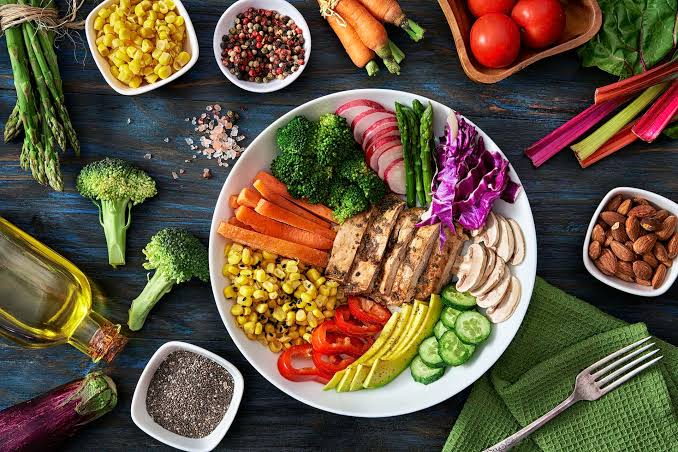
A useful tyramine-free plan is not a list of “bad” foods with nothing else to eat. It is a steady routine built around fresh, simple meals. I’d build it around plain proteins, fresh grains, vegetables, fruit, and dairy only if it is fresh and tolerated. The point is to make food boring in a good way while you watch for symptom changes.
Foods commonly avoided in tyramine-focused guidance include aged cheeses, cured or smoked meats, fermented foods, soy sauce, some pickled foods, and certain alcoholic drinks. Leftovers are a special problem because tyramine can increase as food sits, especially if handling or storage is poor. For that reason, this plan often works better when you cook fresh and refrigerate food properly.
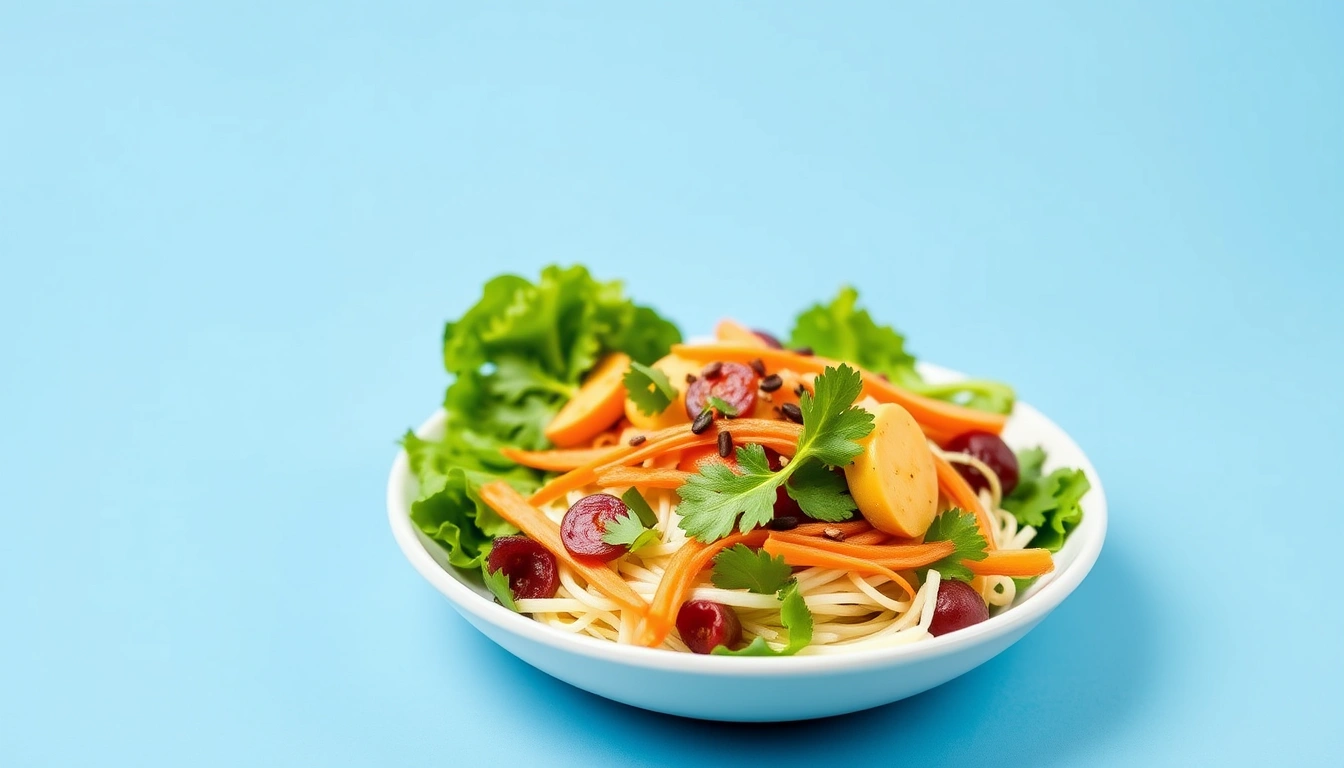
A practical day might look like eggs or oatmeal at breakfast, a fresh chicken or bean bowl at lunch, and a simple dinner built from rice, vegetables, and a fresh protein. Snacks can be fruit, plain yogurt if tolerated, or crackers with safe toppings. The exact menu matters less than the pattern: fresh, consistent, low in aged or fermented ingredients.
The weakness is monotony. People get bored, then they start “just one bite” experiments and lose the thread. I’d rather see a plan with a short, realistic food list than an idealized menu that nobody follows. If your version is too strict to maintain, it is not a good plan.
A food and symptom diary helps here. Not a perfectionist spreadsheet, just enough detail to notice patterns. What you ate, when you ate it, when the headache started, and any other obvious factors like sleep loss or stress. That context matters because a migraine rarely has only one cause.
The Honest Side-by-Side: Foods, Risks, and Practical Trade-Offs
The biggest mistake generic articles make is pretending tyramine is only about food lists. It is also about storage, timing, and consistency. A “safe” food can become less safe if it sits too long, and a meal that is technically low in tyramine can still be a problem if you skip breakfast, get dehydrated, or sleep badly.
People often ask whether this means they must eliminate everything flavorful. No. That is too blunt. Fresh foods can still taste good. Herbs, fresh lemon, garlic, ginger, and simple cooking methods can make the diet livable. The real limitation is that many convenient packaged foods rely on aging, fermentation, curing, or long storage. That is why a tyramine-free plan can be harder in a rushed week than on a calm one.
Another trade-off is cost and time, though not always in the way people think. A diet built around fresh food may require more prep and more frequent shopping. On the other hand, it can reduce impulse food choices that tend to include the very ingredients you are avoiding. That is a labor trade, not a universal upgrade.
I would not present this as a permanent identity diet unless a clinician has helped you confirm the pattern. For many people, it should be a trial, not a life sentence. The National Institute of Neurological Disorders and Stroke and the American Migraine Foundation both emphasize that migraine triggers are often individual, which is why pattern-tracking matters.
Our Verdict: Which One to Choose and Why
Choose a tyramine-free diet if your migraines seem tied to aged, fermented, cured, or leftover foods and you want the cleanest possible diet trial. Choose a broader migraine diet if your triggers are mixed, your eating schedule is irregular, or you need more flexibility for restaurants and family meals. Neither if you have a history of restrictive eating, you are losing weight unintentionally, or you need medical review for frequent or changing migraines.
That is my call. Tyramine-free is the better first experiment when food is the suspect and you want clarity. A broader diet is better when life logistics matter more than precision. If your migraines are severe, new, worsening, or paired with neurological symptoms, do not use diet as a substitute for medical evaluation.
When to Reconsider This Choice Entirely
The plan changes if one of a few exception scenarios applies.
First, if you remove tyramine-heavy foods for a reasonable trial and nothing changes, I would stop treating tyramine as the main answer. At that point, the problem may sit elsewhere: sleep, hormones, stress, hydration, caffeine swings, medication overuse, or another food trigger.
Second, if the diet makes you anxious, socially isolated, or overly rigid, the cost may be too high. Migraine care should not create a second health problem. In that case, a less restrictive plan with a clinician’s help is the better route.
Third, if your headaches are unusually frequent, severe, or different from your usual pattern, diet should move out of the spotlight. A professional evaluation matters more than any elimination plan.
Fourth, if you are trying to manage migraine during pregnancy, while taking complex medications, or with another chronic condition, I would not self-direct a strict diet without medical guidance.
FAQ
Is tyramine-free the same as low-histamine?
No. They overlap in some foods, but they are not the same plan. Tyramine-free focuses on aged, fermented, cured, and poorly stored foods. Low-histamine targets a different set of issues and is usually broader and harder to follow.
How long should someone try a tyramine-free diet before judging it?
That should be discussed with a qualified clinician or dietitian, because the right trial length depends on the person and the rest of the migraine picture. A short, structured trial with a symptom log is usually more useful than guessing.
Do leftovers always have to go?
Not always, but leftovers are a common concern because storage time can matter. If you are testing tyramine sensitivity, this is one of the first places I would tighten up and keep food handling very consistent.
Can tyramine-free eating prevent all migraines?
No. Research and clinical guidance suggest tyramine is only one possible trigger, and many migraines have multiple drivers. A diet change may help some people and do little for others.
What is the biggest mistake people make with this diet?
They make it too strict too fast. That usually creates stress, confusion, and burnout. A cleaner, simpler plan is more useful than a perfect one you cannot live with.