The Complete List of Foods That Trigger Migraines
Last updated: August 11, 2026
Quick Answer: No single complete list of foods triggers migraines for everyone. Still, the usual suspects are aged cheeses, processed meats, alcohol, caffeine swings, chocolate, and certain additives. Start with a 2 to 4 week food and symptom log, and consult a clinician if attacks are frequent or your diet is becoming too restricted.
Trying to pin down migraine food triggers? Here’s the blunt version: there isn’t one master list that fits every person, but there is a short roster of repeat offenders plus a much larger group that only bothers some people. I write about headache and nutrition topics because people usually do better when they stop guessing and start tracking patterns; that’s the lane I’d take here. This complete list foods that trigger migraines works best as a starting point, not a diagnosis.
- Common migraine trigger foods cluster into a few groups: aged or fermented foods, processed meats, alcohol, caffeine changes, and certain additives.
- A 2 to 4 week food diary is more useful than cutting out every suspect at once.
- Chocolate and aged cheese are common suspects, but they are not universal triggers.
- The American Migraine Foundation and NINDS both note that triggers vary by person and pattern.
The Real List of Foods That Commonly Trigger Migraines
The Real List of Foods That Commonly Trigger Migraines begins with the items headache patients and specialists mention most often, but consult a clinician or dietitian before making major diet changes because no list fits everyone. These triggers are not a mystery. They usually fall into a few buckets: aged or fermented foods, processed meats, alcohol, caffeine changes, and foods with certain additives. The American Migraine Foundation notes that triggers are individual, and a 2022 review in Nutrients also says food sensitivity varies widely from person to person.
Here is the practical list I would use first, but please consult a professional if you are trying to remove multiple foods at once:
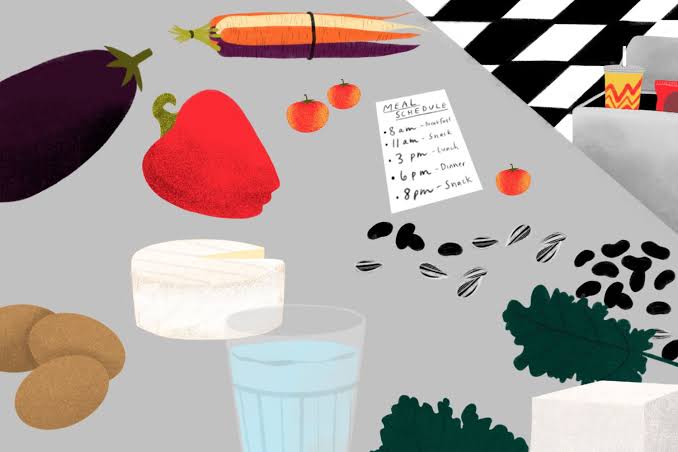
- Aged cheeses: cheddar, blue cheese, Swiss, Parmesan, gouda, and similar cheeses
- Processed meats: bacon, salami, pepperoni, hot dogs, deli meats, sausage
- Alcohol, especially red wine and some beers
- Chocolate
- Caffeinated drinks and foods, when intake rises or falls sharply
- Foods with monosodium glutamate, often called MSG
- Foods with nitrites or nitrates
- Artificial sweeteners, especially aspartame for some people
- Pickled, fermented, or cured foods
- Leftovers that have been stored too long, especially if they are high in tyramine
That list looks wide because migraine triggers are wide. Context matters too. A slice of cheese may be harmless at one meal and a problem at another if you are already sleep-deprived, dehydrated, or skipping meals. Migraine often acts like a threshold problem, not a single-switch problem. Funny how that works.
Group your own suspects into categories instead of chasing every ingredient. If pizza seems to set things off, the culprit might be the aged cheese, the cured meat, the wine, the late meal, or all four together, so consult a professional if you want help isolating it safely. If restaurant food is the pattern, MSG or a heavy sodium load may be part of the picture. The FDA lists MSG as generally recognized as safe, but some people still report sensitivity, so patterns matter more than labels.
For an evidence-based overview, I’d point readers to the American Migraine Foundation’s migraine trigger guidance and the National Institute of Neurological Disorders and Stroke’s migraine information page:
- American Migraine Foundation: https://americanmigrainefoundation.org/resource-library/migraine-triggers/
- NINDS migraine page: https://www.ninds.nih.gov/health-information/disorders/migraine
- Cleveland Clinic migraine trigger overview: https://my.clevelandclinic.org/health/diseases/5005-migraines-headaches
- FDA on MSG: https://www.fda.gov/food/food-additives-petitions/questions-and-answers-monosodium-glutamate-msg
Why Migraine Food Triggers Are So Hard to Pin Down
People make the same mistake over and over: they assume migraine triggers are simple and immediate. They usually are not.
A food trigger can act in at least four ways:
- It can be a direct trigger for a sensitive person.
- It can add to other triggers already in play.
- It can be part of a meal pattern that causes trouble, such as skipping breakfast and then eating a large, salty lunch.
- It can look like a trigger when it is really an early symptom. Cravings happen before some migraine attacks, so the food a person eats right before the headache may not be the true cause.
That last point matters. A lot of people blame chocolate because they ate chocolate before the migraine. Sometimes chocolate is the trigger. Sometimes the craving for chocolate was one of the first signs that the migraine was already starting. The American Migraine Foundation says this kind of timing confusion is common.
Another trap is over-restricting food too fast. I would not tell someone with migraines to cut out everything on the list at once. That usually creates a miserable, hard-to-sustain diet and still does not identify the trigger. Better, in practice, is a calmer approach: keep meals regular, hydrate, and track only the foods you eat before attacks for a few weeks.
If you want to talk to a clinician about this, a dietitian or headache specialist can help separate likely triggers from coincidences. That is especially worth doing if your migraine pattern has changed, if you are getting frequent attacks, or if you are cutting out so many foods that your nutrition is slipping. The American Migraine Foundation suggests keeping a diary for at least 2 to 4 weeks to look for repeat patterns.
Migraine Trigger Foods by Category: What Matters and Why
I’d use categories, not a giant fear list, because categories tell you what to watch for.
1. Aged and fermented foods
These are often linked to migraine because they can contain tyramine, a compound that forms as foods age or ferment. Common examples include aged cheeses, soy sauce, miso, sauerkraut, kimchi, some pickles, and certain cured or fermented fish products.
Weakness: not everyone reacts to tyramine, and some foods in this group are nutritious. The problem is not “fermented” in a moral sense; it is your personal sensitivity. No witch hunt needed.
2. Cured and processed meats
Bacon, salami, pepperoni, deli meats, and hot dogs are common suspects because of nitrites/nitrates and the way processed meats are handled and stored.
Weakness: people often blame the meat alone when the meal also includes pizza crust, cheese, soda, and a long gap since the last meal. That combination can matter more than the meat by itself.
3. Alcohol
Red wine gets a lot of attention, but beer, champagne, and cocktails can also trigger migraines in some people. Alcohol can affect hydration, sleep, and blood vessels, and certain drinks contain histamine or other compounds that may matter for sensitive people.
Weakness: if alcohol seems to trigger you, the issue may be dose, type, or timing. A single drink late at night can be more disruptive than the drink itself suggests. Sneaky stuff.
4. Chocolate
Chocolate is one of the most famous migraine triggers, but it is also one of the most over-accused. It may trigger some people, and in others it is simply eaten during the early phase of an attack.
Weakness: chocolate is not a universal migraine food trigger. I would treat it as a suspect, not a verdict, and the National Headache Foundation also advises looking for repeat patterns before cutting it out.
5. Caffeine
Caffeine is tricky because it can help some headaches and trigger others. Too much caffeine can trigger migraine in some people, but so can abrupt withdrawal.
Weakness: many people think “caffeine is bad” when the real issue is inconsistency. Regular, moderate intake is different from a roller coaster of energy drinks, big coffee days, and then none the next morning.
6. Food additives
MSG and aspartame are the two people ask about most. Some sensitive people report migraine after foods with these additives, especially when combined with other triggers.
Weakness: the evidence and the individual response do not point in exactly the same direction for everyone. I would focus less on hunting additives everywhere and more on noticing repeated patterns.
The Honest Side-by-Side
Below is the comparison I’d actually use if I were trying to help someone narrow things down. “Food on the left” means the likely trigger pattern is tied to what you ate. “Meal pattern on the right” means the attack is more likely driven by timing, consistency, or combination effects.
| Criteria | Food-trigger pattern | Meal-pattern trigger | Winner for this condition |
|---|---|---|---|
| Clear repeatability | Same specific food appears before attacks | Different foods, same timing or skip-eat cycle | Food-trigger pattern |
| Ease of spotting | Hard unless you keep a food log | Often easier if attacks follow missed meals | Meal-pattern trigger |
| Common examples | Aged cheese, cured meat, alcohol, chocolate | Skipping breakfast, dehydration, late meals | Depends on your pattern |
| Risk of over-restricting | Higher if you cut many foods at once | Lower if you focus on routine first | Meal-pattern trigger |
| Best first move | Test one suspect at a time with a log | Regular meals, fluids, steady caffeine | Meal-pattern trigger |
| How often it misleads people | Very often because of timing confusion | Also often, but usually easier to correct | Meal-pattern trigger |
| Best for someone with frequent attacks | Useful if one food keeps showing up | Useful if attacks track hunger, sleep, or stress | Depends on the pattern |
| Downside | Can lead to a long banned-food list with no answer | Can miss a true food trigger if you stop there | Neither, by itself |
| Best use case | Someone with obvious repeat exposures | Someone with inconsistent eating habits | Food-trigger pattern for repeat exposures |
My read: if you are unsure where to begin, start with meal pattern first. It is the fastest way to reduce noise. Then, if attacks keep happening, test the named foods that are most often associated with migraine.
Aged Cheese, Processed Meat, Alcohol, and Chocolate: Who They Really Affect
These four are the foods I see people worry about most, and I would not dismiss that concern. They deserve attention. I would not, however, treat them as forbidden for everyone with migraine.
Aged cheese is most likely to matter if you already notice headaches after leftovers, fermented foods, or other high-tyramine items. Processed meats are more suspicious when they show up in the same meal with cheese, soda, alcohol, or a skipped meal. Alcohol wins the blame game partly because it is a direct irritant, partly because it damages sleep, and partly because it tends to appear in social situations where other triggers are stacked up.
Chocolate is the one I would be the most careful about overcalling. If chocolate is your only repeat trigger, that matters. If chocolate is just part of a pattern that also includes stress, hunger, and poor sleep, I would not stop at the chocolate. Honestly, the label gets ahead of the evidence fast.
Who should actually focus on this group? People who see the same food before attacks more than once, people who feel better on simpler meals, and people who are willing to keep a short, honest log. Who should not? Someone who is already eating too little, avoiding too many foods, or becoming anxious around meals. In that case, the restriction may do more harm than the food itself.
MSG, Caffeine, and Additives: The Specific Situations Where They Win
I’d put MSG, caffeine, and sweeteners in a separate bucket because they do not behave like classic “bad foods.” They are context triggers.
MSG is most worth watching when it appears in heavily processed or restaurant food and you notice a pattern after those meals. Caffeine is most worth watching when your intake changes sharply. That means a lot one day and none the next, or a late-day energy drink that disrupts sleep. Aspartame and similar sweeteners are worth tracking only if the same packaged drinks, sugar-free snacks, or diet products repeatedly show up before migraine.
The strength of this group is that it can explain otherwise confusing attacks. Someone may swear that “Chinese food” triggers migraine, but the real issue might be a restaurant meal high in sodium, a long gap since lunch, and a glass of wine. Another person may think coffee cures headaches, when the real problem is that their body has grown used to caffeine and now protests when it disappears.
The weakness is that these triggers are easy to overstate. If you cut out every additive, you can end up making food life complicated without getting a clear answer. I would not build your whole strategy around additives first. I would save them for the second round of investigation.
Our Verdict: Which One to Choose and Why
Choose the food-trigger approach if the same specific item keeps showing up before your migraines: aged cheese, cured meat, alcohol, chocolate, or a particular additive. Choose the meal-pattern approach if your attacks track skipped meals, dehydration, irregular caffeine, or long gaps between eating. Neither if you are losing weight, avoiding whole food groups out of fear, or having headaches that are getting more frequent or more severe without a clear food link; in that case, talk to a clinician.
My recommendation is simple: start with the pattern, then narrow to the foods. That keeps you from blaming every meal and gives you a better chance of finding the real trigger.
When to Reconsider This Choice Entirely
There are a few cases where food is probably not the main story, and I would change course quickly.
- Your headaches started after a medication change. Some medicines can affect headaches, appetite, sleep, or hydration.
- Your attacks are tied to hormones, not meals. Many migraine patterns follow menstrual cycles more closely than food.
- You have new neurological symptoms, such as weakness, confusion, vision loss that is different from your usual aura, or a sudden worst-ever headache. That needs medical evaluation.
- You have cut out most trigger foods and still have frequent attacks. That tells me the main driver may be sleep, stress, hormones, neck strain, weather sensitivity, or a combination.
This is where a headache diary becomes more useful than a banned-food list. Write down meal timing, sleep, caffeine, alcohol, stress, and attack timing. The goal is not perfection.